SEO vs Paid Ads

Which Digital Marketing Strategy Is Right for Your Business?

When businesses want more visibility online, the same question always comes up:
Should I invest in SEO or paid advertising?

Both SEO (Search Engine Optimization) and paid ads are powerful digital marketing tools — but they work very differently. Choosing the right strategy depends on your goals, budget, and timeline.

Let’s break down SEO vs Ads and help you decide what works best for your business.

What Is SEO?

SEO is the process of optimizing your website to rank organically on search engines like Google.

It focuses on:

  • Keyword optimization

  • High-quality content

  • Website speed & structure

  • Backlinks and authority

  • User experience

With SEO, traffic comes naturally — without paying for each click.

What Are Paid Ads?

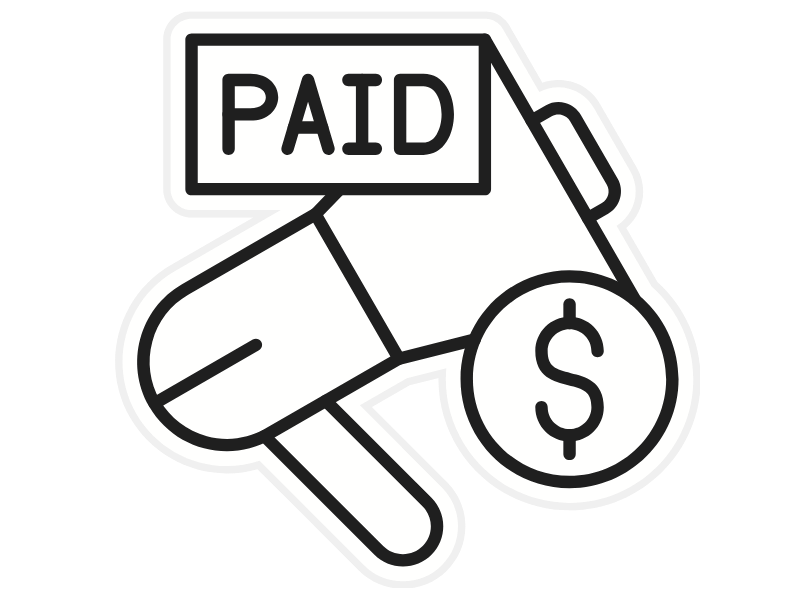
Paid ads (PPC) allow you to appear instantly at the top of search engines or social platforms by paying for visibility.

Common ad platforms include:

  • Google Ads

  • Facebook & Instagram Ads

  • LinkedIn Ads

  • YouTube Ads

You pay each time someone clicks or views your ad.

SEO vs Paid Ads: Key Differences

1. Cost Structure

SEO:

  • Long-term investment

  • No cost per click

  • Higher ROI over time

Paid Ads:

  • Immediate cost per click or impression

  • Traffic stops when ads stop

  • Can become expensive in competitive industries

2. Time to Results

SEO:

  • Takes time (3–6 months)

  • Builds momentum gradually

Paid Ads:

  • Instant visibility

  • Immediate traffic and leads

3. Long-Term Value

SEO:

  • Sustainable traffic

  • Content keeps working 24/7

  • Builds brand authority

Paid Ads:

  • Short-term results

  • No long-term benefit after the campaign ends

4. Trust & Credibility

Users trust organic results more than ads.

SEO builds:

  • Brand credibility

  • Customer trust

  • Higher-quality traffic

Ads are effective, but often viewed as promotional rather than authoritative.

5. Targeting & Control

Paid Ads:

  • Advanced audience targeting

  • Control over budget, location, and timing

SEO:

  • Targets users based on search intent

  • Less control, but higher intent traffic

6. Performance Tracking

Both strategies are measurable.

SEO metrics:

  • Keyword rankings

  • Organic traffic

  • Bounce rate

  • Conversion rate

Ad metrics:

  • CPC (Cost per Click)

  • CTR (Click-Through Rate)

  • Conversions

  • ROI

When Should You Choose SEO?

SEO is ideal if you want:

  • Long-term growth

  • Sustainable website traffic

  • Higher trust and credibility

  • Better ROI over time

Best for:
✔ Service businesses
✔ Local businesses
✔ Content-driven brands
✔ Companies focused on long-term branding

When Should You Choose Paid Ads?

Paid ads are ideal if you need:

  • Immediate leads or sales

  • Quick campaign results

  • Product launches or promotions

  • Seasonal offers

Best for:
✔ eCommerce businesses
✔ Startups needing fast exposure
✔ Event promotions

The Smart Approach: SEO + Ads Together

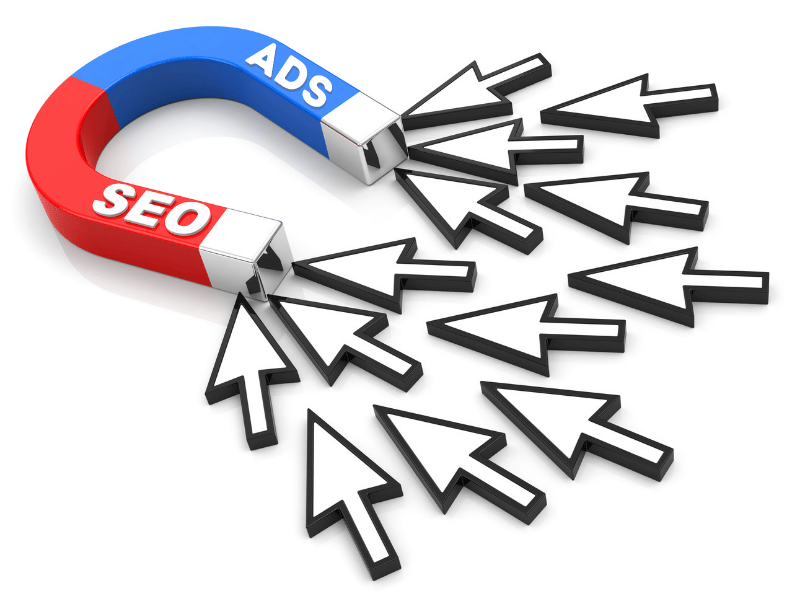
The most successful brands don’t choose one — they use both.

SEO builds a strong foundation, while paid ads:

  • Drive immediate traffic

  • Test keywords and messaging

  • Support high-conversion pages

Together, they create a balanced, scalable marketing strategy.

Final Verdict: SEO or Ads?

There’s no one-size-fits-all answer.

  • Short-term results? → Paid Ads

  • Long-term growth? → SEO

  • Best performance? → SEO + Ads combined

At Pixilyx, we design data-driven SEO and ad strategies that align with your business goals — ensuring every click and keyword works in your favor.

Grow smarter. Rank higher. Convert better — pixel by pixel.